

Stress is not just a feeling. It is a full-body physiological response that, when sustained over weeks and months, begins to dismantle your health from the inside out. Chronic stress is now linked to at least six of the ten leading causes of death in the developed world, including heart disease, diabetes, and Alzheimer's disease. Understanding what stress is doing to your body is the first and most important step towards stopping it.
Understanding the Difference Between Acute and Chronic Stress
Not all stress is harmful. Acute stress, the kind you feel before a presentation, during a difficult conversation, or when you narrowly avoid an accident, is your body's survival mechanism working exactly as it should. The heart rate rises, adrenaline floods the bloodstream, and your senses sharpen. Once the threat passes, the body returns to baseline. This is healthy, adaptive stress.
Chronic stress is something entirely different. It is what happens when the stress response never fully switches off. A demanding job, financial pressure, relationship difficulties, health anxiety, caregiving responsibilities, any of these, sustained over long periods, keeps cortisol and adrenaline circulating at levels your body was never designed to handle indefinitely.
Cortisol, often called the stress hormone, plays a vital role in regulating inflammation, blood sugar, metabolism, and immune function. In short bursts it is life-saving. Chronically elevated, it becomes one of the most destructive forces in the human body. This is what the research on stress-related illness is really documenting: not stress itself, but the damage caused by a stress response that never gets the signal to stand down.
The implications spread across virtually every system in the body. Let us examine each one in detail.
Cardiovascular Health: The Clearest and Most Dangerous Link
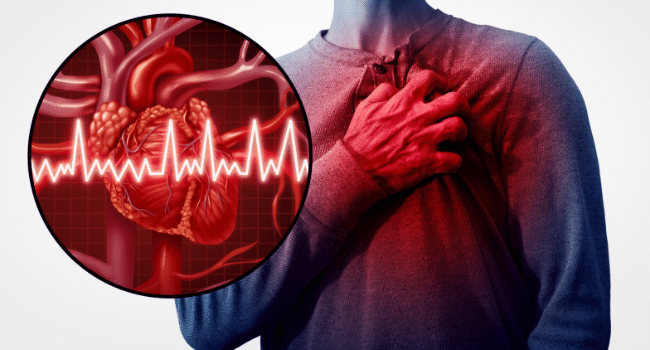
The connection between chronic stress and heart disease is one of the most thoroughly documented in medical research. When the stress response is activated, the heart beats faster, blood pressure rises, and blood vessels constrict. These changes are designed to help you run from a predator. When they happen dozens of times a day, every day, for months and years, the cumulative damage is severe.

Chronic elevation of cortisol contributes to arterial inflammation, the build-up of plaque in vessel walls, and increased clotting factors in the blood, all of which dramatically raise the risk of heart attack and stroke. A study published in the European Heart Journal found that people who experienced high workplace stress had a 23 per cent higher risk of heart attack compared to those with low stress levels.
Additionally, many people respond to stress with behaviours that further damage cardiovascular health. Smoking, excess alcohol consumption, poor diet, and physical inactivity are all more common in chronically stressed individuals, and all of them compound the direct physiological harm that stress is already causing.
If you are under sustained pressure and you are also experiencing chest tightness, shortness of breath, irregular heartbeat, or persistent high blood pressure, do not dismiss these symptoms. They deserve immediate medical attention and a serious conversation about your stress levels.
Brain Health: Alzheimer's Disease, Memory, and Mental Fog
The brain is exquisitely sensitive to cortisol. In controlled amounts, cortisol supports memory formation and alertness. In chronic excess, it begins to damage the very structures responsible for clear thinking and long-term memory.
The hippocampus, the region of the brain most associated with memory and spatial navigation, is particularly vulnerable. Research has shown that prolonged high cortisol levels reduce hippocampal volume, impairing both the formation of new memories and the retrieval of old ones. This is why people under severe stress often describe feeling mentally foggy, forgetful, and unable to concentrate.
The link to Alzheimer's disease is increasingly well established. People with chronically elevated cortisol show accelerated cognitive decline and are significantly more likely to develop dementia later in life. A 2021 study found that individuals in the top quartile for stress reactivity had more than twice the risk of Alzheimer's disease compared to those in the lowest quartile.
The mechanism appears to involve both direct neuronal damage from cortisol and the indirect effects of stress-related sleep deprivation. During deep sleep, the brain's glymphatic system clears toxic metabolic waste, including the amyloid-beta proteins associated with Alzheimer's. Chronic stress disrupts this cleaning process, allowing these proteins to accumulate.
Protecting your brain from stress is not a luxury. It is one of the most important investments you can make in your long-term cognitive health.
Fertility and Hormonal Health
Stress has a profound effect on the endocrine system, and nowhere is this more visible than in its impact on reproductive health. The hypothalamic-pituitary-adrenal axis, the central stress response system, directly interferes with the hypothalamic-pituitary-gonadal axis, which governs the production of sex hormones.
In men, chronic stress triggers elevated production of glucocorticoids, which suppress testosterone and reduce sperm production. Studies have found lower sperm concentration, motility, and morphology in men exposed to high levels of occupational or psychological stress. Fertility clinics routinely assess stress as part of male infertility investigations.
In women, chronic stress can disrupt the delicate hormonal balance that governs the menstrual cycle. Irregular periods, anovulatory cycles (cycles where no egg is released), and reduced libido are all documented consequences of sustained elevated cortisol. Women who are trying to conceive and are under significant stress show lower rates of conception, even when no other fertility factors are present.
The research is clear enough that many fertility specialists now consider stress management a front-line treatment alongside conventional interventions. If you are struggling to conceive and you are also managing significant life pressure, the two are almost certainly connected.
Weight Gain, Metabolic Dysfunction, and Diabetes
Cortisol signals to the body that it is under threat and may need energy quickly. In response, it increases appetite, particularly for calorie-dense, high-fat, high-sugar foods. This is why stress eating is such a universal experience. It is not a failure of willpower; it is a hormonal instruction.
At the same time, cortisol promotes fat storage, particularly around the abdomen. Visceral fat, the fat stored deep around the organs, is metabolically active and significantly increases the risk of cardiovascular disease, metabolic syndrome, and type 2 diabetes. People under chronic stress consistently show higher rates of abdominal obesity, even when their overall caloric intake is not dramatically different from those with lower stress levels.
The diabetes connection runs even deeper. Cortisol directly raises blood glucose levels by triggering the liver to release stored glucose into the bloodstream. In the short term, this provides fast energy for a physical threat. Sustained over months and years, it keeps blood sugar chronically elevated and progressively desensitises insulin receptors, laying the groundwork for insulin resistance and type 2 diabetes.
If you are managing stress and also noticing unexplained weight gain, persistent sugar cravings, fatigue after meals, or a recent diabetes diagnosis, the link is worth discussing with your doctor. Managing stress is not just good for your mental health, it is a metabolic intervention.
Immune Function, Sleep, and Sexual Health
Cortisol is a powerful anti-inflammatory agent, which is why it is used medically to treat autoimmune conditions and inflammation. But the body's immune system is not designed for permanent suppression. Chronic stress gradually undermines immune competence, leaving you more susceptible to infections, slower to recover from illness, and more vulnerable to inflammatory conditions.

Research consistently shows that chronically stressed individuals catch colds and flu more easily, take longer to heal from wounds, and have reduced vaccine efficacy. In severe cases, chronic stress has been linked to increased risk of autoimmune flare-ups in conditions such as rheumatoid arthritis, lupus, and inflammatory bowel disease.
Sleep is both a casualty and an amplifier of stress. Elevated cortisol in the evening disrupts the natural cortisol decline that normally allows the body to wind down. The result is difficulty falling asleep, frequent waking, and poor sleep quality. Poor sleep, in turn, raises cortisol further the next day, creating a cycle that is difficult to break without deliberate intervention.
Sexual health is similarly affected. Chronically high cortisol suppresses testosterone in both men and women, directly reducing libido. Beyond the hormonal mechanism, the psychological exhaustion of chronic stress leaves little emotional energy for intimacy, and relationship tension, itself a significant stressor, creates distance that compounds the problem.
What You Can Do: Breaking the Cycle
The body has powerful recovery mechanisms. Stress is not irreversible, and the research on stress intervention is genuinely encouraging. These are evidence-based starting points.
Recognise and Name Your Stressors
Stress that is vague and unnamed feels uncontrollable. When you can identify specific sources, a particular relationship, a financial concern, a work situation, you can begin to act on them directly. Journalling, talking to a coach or therapist, or simply writing a list of what is causing you pressure can shift stress from a diffuse sense of dread into a manageable set of problems.

Regulate the Nervous System Daily
Deep, slow breathing activates the parasympathetic nervous system and directly lowers cortisol. Even five minutes of diaphragmatic breathing (inhaling for four counts, holding for four, exhaling for six to eight) creates measurable physiological change. This is not relaxation philosophy, it is neuroscience. Building a daily breathwork practice is one of the highest-return stress interventions available.
Prioritise Sleep as Non-Negotiable
Sleep is where cortisol regulation is restored. Protect your sleep by maintaining consistent sleep and wake times, keeping the bedroom cool and dark, avoiding screens for an hour before bed, and limiting caffeine after 2pm. If stress is significantly disrupting sleep, speak to your GP before the sleep deprivation compounds the problem.
Move Your Body in a Way You Enjoy
Physical exercise is one of the most effective cortisol regulators we have. It does not need to be intense. A 30-minute walk, yoga, swimming, cycling, the key is consistency and genuinely enjoying the activity. Exercise that feels like punishment adds another stressor. Exercise that feels like a gift to yourself is sustainable.
Seek Professional Support
Chronic stress is not a character flaw, and it does not resolve through willpower alone. Working with a stress coach, therapist, or counsellor provides both practical strategies and the perspective-shifting that is difficult to access alone when you are in the middle of a stress response. The investment in professional support typically returns enormous dividends in health, productivity, and quality of life.
Frequently Asked Questions About Stress and Health
Can stress actually cause physical illness, or does it just make you feel bad?
Stress causes measurable physical changes in the body, elevated cortisol, raised blood pressure, suppressed immune function, disrupted sleep, and altered metabolism. These are not subjective feelings but documented physiological processes. Chronic stress is a genuine cause of illness, not just a risk factor. The research linking sustained stress to heart disease, diabetes, Alzheimer's disease, and fertility problems is substantial and consistent across multiple decades of study.
How long does it take for chronic stress to cause health problems?
There is no single answer, as individual resilience varies considerably. However, studies on occupational stress suggest that measurable cardiovascular and metabolic changes can occur within months of sustained high-stress exposure. The good news is that the body's recovery mechanisms are also relatively fast. Meaningful reductions in stress can produce measurable improvements in blood pressure, cortisol levels, and immune function within weeks of consistent intervention.
Is there a safe level of stress?

Yes. Acute, short-duration stress is not only safe but beneficial, it sharpens performance, motivates action, and strengthens resilience when followed by adequate recovery. The problem is chronic stress without recovery. The key variable is not the presence of stress but the presence of sufficient recovery time between stressful events. A life with challenges and recovery periods is healthy. A life with constant pressure and no recovery is damaging.
Can the health damage from chronic stress be reversed?
In most cases, yes, especially if addressed before severe conditions such as heart disease or diabetes have developed. The brain can regenerate hippocampal neurons following stress reduction. Cortisol levels normalise relatively quickly when stressors are addressed. Blood pressure, immune function, and hormonal balance all show improvement with consistent stress management. The body has remarkable capacity for recovery given the right conditions.
When should I see a doctor about stress-related symptoms?
You should seek medical advice if you are experiencing chest pain, heart palpitations, persistent high blood pressure, significant unexplained weight gain, recurrent infections, or fertility difficulties, particularly if you are also under significant psychological pressure. A good GP will take a holistic view of your health that includes stress as a legitimate medical concern. Do not wait for symptoms to become severe before asking for support.
Conclusion
Stress is one of the most underestimated health risks in modern life. It does not announce itself loudly the way an injury does, it works quietly, steadily, over time, on every system in your body simultaneously. The implications run from your heart to your brain, from your hormones to your immune system, from your sleep to your sexual health. Taking chronic stress seriously is not indulgence or weakness. It is one of the most consequential health decisions you can make. If any of this resonates with your experience, the time to act is now, not when the damage has already accumulated.
← Back to all articles