

The fear of disease is as old as human consciousness. Since long before the germ theory of disease, people have constructed elaborate behavioural and psychological systems to manage the terror of illness and death. The COVID-19 pandemic brought these fears into sharp collective focus for the first time in living memory, and in doing so revealed how widespread, how varied, and how genuinely disabling disease-related anxiety can be. This article examines nosophobia and health anxiety in depth, what they are, how they develop, and what can be done about them.
Understanding the Spectrum of Disease-Related Anxiety
Fear of disease exists on a spectrum, from the normal, rational caution that motivates handwashing and health screenings to the severely disabling anxiety that prevents people from functioning in ordinary life. Most discussions conflate several distinct conditions that actually have different characteristics, different triggers, and different optimal treatments.
Nosophobia: The Fear of Contracting Disease
Nosophobia is specifically the intense, persistent fear of contracting a particular disease or diseases. It is characterised by anticipatory anxiety, fear of what might happen rather than misinterpretation of current symptoms. A person with nosophobia is afraid of getting cancer, or HIV, or heart disease, even in the absence of any specific symptoms. The pandemic created a specific variant focused on coronavirus, but nosophobia existed long before COVID-19 and attaches to whatever disease is most culturally salient at a given moment.
Nosophobia is classified within the anxiety disorders rather than the somatic symptom disorders because its central feature is fear of a future event rather than preoccupation with present symptoms. The clinical criteria include persistent and excessive fear that is disproportionate to actual risk, significant interference with daily functioning, and duration of at least six months.
Health Anxiety (Hypochondria): The Fear of Being Ill
Health anxiety, formerly called hypochondria, now typically referred to by clinicians as illness anxiety disorder or somatic symptom disorder depending on symptom presentation, involves a persistent preoccupation with the possibility that one is seriously ill, typically based on misinterpretation of normal bodily sensations.
The person with health anxiety notices a headache and fears a brain tumour. They notice a palpitation and fear heart disease. They notice a mole and fear melanoma. The medical reassurance that temporarily relieves the fear does not resolve it, because the underlying anxiety generates the next symptom interpretation as soon as the previous one has been addressed. This reassurance-seeking pattern is one of the most characteristic features of health anxiety and one of the reasons it tends to worsen over time rather than resolving without treatment.
Cyberchondria: The Digital Amplification of Health Fear
Cyberchondria is not a formal diagnostic category but a well-documented clinical phenomenon: the escalation of health anxiety through internet health research. The pattern is familiar to most people who have experienced health anxiety: a symptom noticed, a search conducted, a worst-case diagnosis encountered, anxiety escalating, further research conducted confirming the feared condition, anxiety escalating further.
The internet health environment is poorly calibrated for anxious users. Search algorithms surface the most alarming content because it generates the most engagement. Medical information is written for professionals and is easily misinterpreted by non-experts. Rare conditions appear with the same visual weight as common ones. The result is an information environment that amplifies rather than reduces health anxiety for people who are already predisposed to it.

The Physiological Reality of Disease Fear
Health anxiety is not merely a mental phenomenon, it produces genuine physical symptoms that frequently reinforce the anxiety by seeming to confirm the feared illness. This is one of the most important and underappreciated aspects of the condition.
Anxiety activates the sympathetic nervous system. This produces: increased heart rate (which an anxious person may interpret as cardiac disease), rapid breathing (which may produce dizziness and tingling, interpreted as neurological disease), muscle tension (producing aches and pain, interpreted as various conditions), gastrointestinal changes (interpreted as bowel disease), sweating, trembling, and many other sensations that have straightforward physiological explanations but can be terrifying to someone convinced they are seriously ill.
This creates a vicious cycle that is characteristic of anxiety: the fear produces physical symptoms, the physical symptoms appear to confirm the fear, the confirmation increases the fear, which produces more physical symptoms. Without intervention, this cycle typically escalates rather than resolving on its own.
Physical Symptoms Associated with Disease Anxiety
The following symptoms are commonly reported by people experiencing nosophobia or health anxiety. Understanding that they have an anxiety-based physiological explanation, rather than the disease-based explanation that the anxious mind generates, is an important step in their management.
- Dizziness and lightheadedness (from hyperventilation or the cardiovascular effects of the anxiety response)
- Nausea and digestive discomfort (the gut is exquisitely sensitive to the stress response)
- Excessive sweating (adrenaline activation)
- Rapid or shallow breathing (the fight-flight response preparing the body for action)
- Difficulty sleeping (the hypervigilant nervous system does not downregulate easily)
- Increased heart rate and palpitations (again, sympathetic nervous system activation)
- Muscle tension, aches and pains (chronic sympathetic activation maintains muscle tension)
- Fatigue (the metabolic cost of sustained anxiety is significant)
Noticing these symptoms and interpreting them as evidence of the feared disease rather than evidence of anxiety creates the loop described above. The skill of learning to identify these sensations as anxiety responses rather than disease indicators is central to breaking the cycle.
What Causes Nosophobia and Health Anxiety
Understanding the developmental origins of disease-related anxiety is important both for making sense of one's own experience and for identifying the appropriate treatment approach. Several factors consistently emerge in the research.
Personal History with Illness
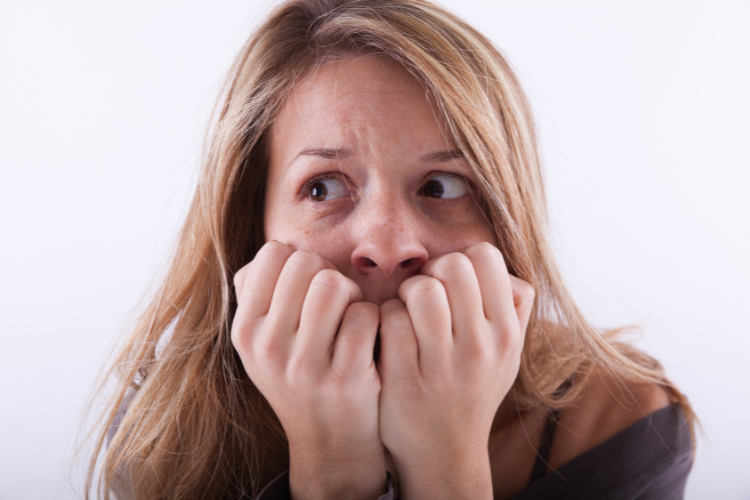
A significant proportion of people with health anxiety have a personal history of serious illness, either in themselves or in close family members. The experience of serious illness is traumatic, it confronts the person with the reality of physical vulnerability in a way that can leave lasting hypervigilance. People who experienced illness during childhood, when they had no conceptual framework for understanding what was happening, may develop particularly strong disease-related anxiety as adults.
Family Environment
Growing up in a family where illness was a central organising concern, where health was monitored anxiously, where physical symptoms were treated with alarm, or where illness was a vehicle for emotional expression or care-seeking, creates a template for relating to one's own body that persists into adulthood. This is not a matter of blame but of understanding the origin of patterns that can then be addressed.
Attachment and Uncertainty Intolerance
Health anxiety is closely related to a broader intolerance of uncertainty, the deep discomfort that arises when one cannot be sure that things are safe. People who have insecure attachment styles (who experienced caregiving relationships as unpredictable or unreliable) often develop hypervigilance to threat as a way of managing the uncertainty. The body becomes the domain in which this hypervigilance is focused.
Information Environment
The contemporary information environment, saturated with health information, health journalism that systematically emphasises risk, and social media that amplifies alarming content, provides constant fuel for health anxiety in people who are predisposed to it. The pandemic represented an extreme version of this: a situation in which public health messaging about genuine risk, combined with an overwhelming volume of health information from every direction, created or dramatically amplified health anxiety in a substantial proportion of the population.
Impact on Daily Life
Severe disease-related anxiety does not remain contained to the sphere of health. It typically extends to affect virtually every domain of life.
Social life may be withdrawn from in the effort to avoid exposure to illness. Careers may be disrupted by the time demands of medical appointments, health research, and the cognitive occupation of health worry. Relationships suffer when partners become exhausted by repeated reassurance-seeking that never permanently resolves the anxiety. The pleasure and spontaneity of everyday life are eroded by the constant monitoring of bodily symptoms and the mental calculation of disease risk in every situation.
People with significant health anxiety also tend to have worse relationships with their actual healthcare providers, because the pattern of seeking reassurance and then requiring further reassurance creates a frustrating dynamic for both parties. GP appointments become dominated by requests for tests and reassurance rather than genuine healthcare. Paradoxically, people with health anxiety are often among the heaviest users of healthcare services while simultaneously being among the least well served by those encounters.

What Actually Helps: Evidence-Based Approaches
Cognitive Behavioural Therapy (CBT)
CBT is the most thoroughly researched and most reliably effective treatment for health anxiety and nosophobia. It works by systematically identifying and challenging the cognitive distortions that maintain the anxiety, the catastrophising, the selective attention to threatening information, the misinterpretation of bodily sensations, and replacing them with more accurate and useful thought patterns. It also typically includes behavioural components: graduated reduction of reassurance-seeking, gradual exposure to feared health-related stimuli, and restructuring of the avoiding behaviours that maintain the anxiety.
Acceptance and Commitment Therapy (ACT)
ACT offers a complementary approach that focuses not on challenging anxious thoughts but on changing one's relationship with them. The goal is not to think less anxiously but to notice the anxious thoughts, accept that uncertainty is an irreducible feature of embodied life, and commit to valued action regardless of the presence of health-related anxiety. Many people with health anxiety find ACT particularly helpful because it does not require winning arguments with the anxious mind but simply declining to be controlled by it.
Reducing Reassurance-Seeking
Counterintuitively, seeking reassurance, from doctors, from search engines, from family, tends to maintain health anxiety rather than resolve it. Reassurance provides temporary relief that is followed by the return of the anxiety with the next symptom. Gradually reducing reassurance-seeking, typically as part of a structured therapy programme rather than through unsupported willpower, is consistently found to be one of the most effective components of health anxiety treatment.
Managing Information Consumption
For people with health anxiety, deliberately limiting health-related internet research is one of the most immediately actionable and effective interventions. Establishing a clear rule, for example, that health information will only be sought through a trusted healthcare provider rather than through internet searches, and maintaining it consistently removes one of the primary fuel sources for the anxiety cycle.
Daily Mindfulness and Stress Management
Because health anxiety is fundamentally an anxiety condition, the general toolkit of anxiety management, mindfulness, regular exercise, good sleep hygiene, social connection, breathwork, is directly relevant. These interventions do not cure health anxiety in isolation, but they reduce the baseline anxiety level that the health-specific fears escalate from, which reduces the frequency and severity of health anxiety episodes.
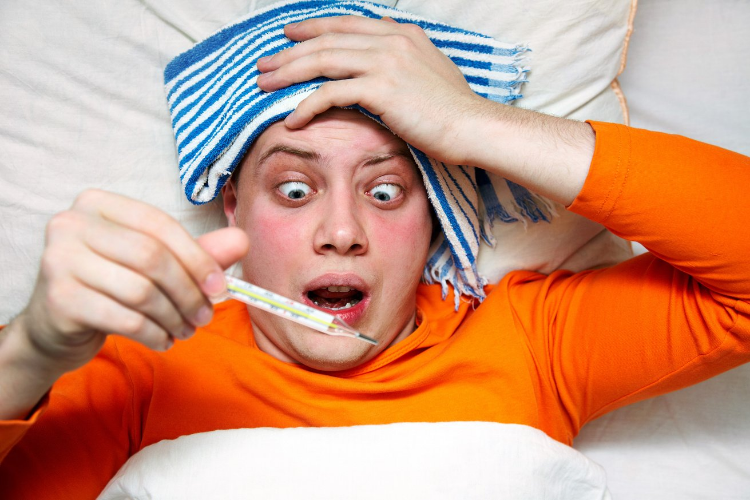
Frequently Asked Questions About Disease-Related Anxiety
How do I know if my health concerns are rational or anxiety-driven?
This is genuinely difficult to assess from inside the anxiety, which is one of the reasons professional support is so valuable. Useful indicators that concerns are primarily anxiety-driven include: the concerns shift from one disease to another as each is medically excluded, reassurance from doctors provides only temporary relief, the concerns significantly occupy your attention despite medical reassurance, and the anxiety about health is significantly affecting your daily functioning and quality of life. Indicators that a medical concern warrants direct attention include: specific, persistent symptoms that are new and have a clear physical character, symptoms that are progressing, and symptoms that are accompanied by objective changes such as significant weight loss. When in doubt, see your GP, but also be honest with them about the anxiety dimension of your health concerns.
Is health anxiety a personality weakness?
Absolutely not. Health anxiety is a recognised anxiety disorder with specific developmental pathways, neurobiological correlates, and evidence-based treatments. It is no more a personality weakness than any other anxiety condition. It is a response to real experiences and a real information environment that has become self-perpetuating through well-understood psychological mechanisms. People with health anxiety are often among the most conscientious and responsible people in their social environments, traits that, in the context of disease fear, translate into excessive monitoring and catastrophising rather than the harm they prevent in other domains.
My health anxiety got much worse during the pandemic. Is this likely to be permanent?
No. The pandemic created specific conditions, genuine health threat, constant health information, disruption of normal life and normalising social contact, that dramatically amplified health anxiety in people who were already predisposed to it, and created new health anxiety in some people who had not previously experienced significant health worry. As the specific conditions of the pandemic recede, the anxiety typically reduces. However, for some people the pandemic has entrenched patterns of health vigilance and avoidance that persist and do benefit from specific treatment. If your health anxiety remains significantly elevated more than six months after the acute pandemic phase has passed in your life, a referral to a therapist through your GP is appropriate.
My family thinks I am a hypochondriac and tells me to stop worrying. This makes me feel worse. What do I say to them?
This is a very common and painful experience. Health anxiety, like all anxiety conditions, is not resolved by being told not to worry, it is maintained by worry and reduced by specific therapeutic interventions. What would help you most from family members is not reassurance (which, paradoxically, maintains the anxiety) and not dismissal (which creates shame and isolation) but patient acknowledgement that you are genuinely struggling, combined with support for seeking professional help rather than managing it through family reassurance-seeking. Sharing this article or similar resources with family members who are willing to understand can help them provide more genuinely supportive responses.
Can health anxiety coexist with real health problems?
Yes, and this is one of the most clinically complex aspects of health anxiety. People with genuine chronic health conditions can also have health anxiety about those conditions or about unrelated conditions. The presence of a real health problem does not invalidate a diagnosis of health anxiety, and the presence of health anxiety does not mean that new symptoms do not warrant medical attention. The most important principle is that health anxiety should be treated as a condition in its own right, alongside whatever genuine health management is required, rather than waiting for health certainty (which will never arrive) before addressing the anxiety.
Conclusion
Fear of disease is a profoundly human experience. In appropriate doses, it motivates the health-protective behaviours that keep us well. When it escalates beyond appropriate proportion, it becomes a condition that causes genuine suffering and that significantly diminishes the quality of life it is attempting to protect. Understanding nosophobia and health anxiety clearly, as anxiety conditions with specific mechanisms, specific developmental pathways, and specific evidence-based treatments, removes the shame that so often prevents people from seeking the help that would genuinely change their experience. If you recognise your experience in these pages, please know that effective help is available and that a good quality of life, with a healthy and proportionate relationship with health concerns, is genuinely achievable.
← Back to all articles